


Academic mentoring at Nicolaus Copernicus University in Torun with Mentiway
Academic mentoring is increasingly becoming an important element of the modern development support system at universities. Nicolaus Copernicus University in Torun has been consistently developing this approach, implementing successive editions of the mentoring program aimed at the student community.
The third edition of the Mentoring Program, implemented by the Copernicus Center for Integration, has been launched in 2026, and Mentiway is supporting the next edition technologically. The program is aimed at UMK students and addresses the real development needs of the academic community – supporting the building of informed educational and professional paths, developing soft skills, and creating space for individual work with an experienced mentor or mentee.
What is academic mentoring?
Academic mentoring is a form of individual development support carried out in a one-on-one relationship between a mentor or mentee and a mentee. In a university environment, it most often means a collaboration between a student and a more experienced university employee – a representative of the academic or administrative staff. Also read this article on academic mentoring as a best practice.
Such a relationship allows students to take a broader view of their own development, better understand the opportunities offered by the university and consciously plan their next educational and professional steps. Academic mentoring is not a form of teaching, but a partnership relationship based on conversation, sharing of experience and joint search for the best development solutions.
Mentoring as real support in the academic environment
The mentoring program at UMK is based on individual mentoring relationships, in which mentors – experienced administrative and academic staff – support the mentee in developing competencies, planning further educational paths and better finding their way within the university’s structures.
Among other things, program participants can work on defining development goals, making decisions about further education or preparing for entry into the labor market. The program also provides support in planning an educational path with an international component.
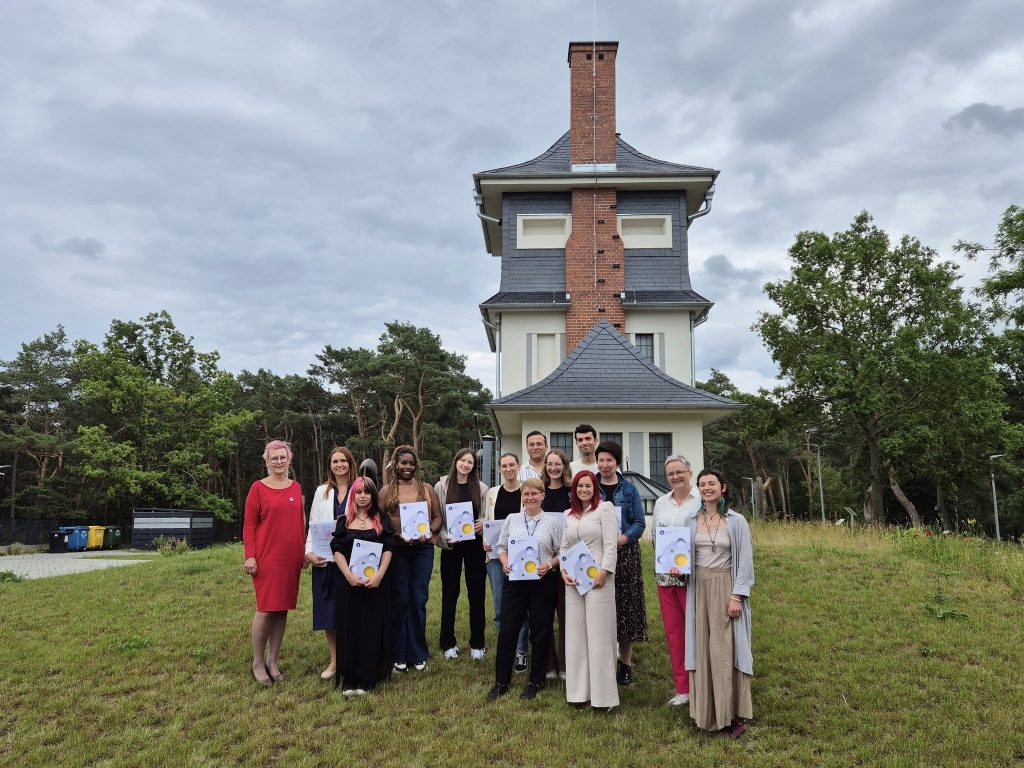
This is the third edition of the program, which shows that mentoring at UMK is not a one-time pilot, but a long-term development activity that is part of the university’s mission and the activities of the Copernicus Integration Center.
Why is academic mentoring gaining importance?
In recent years, an increasing number of universities in Europe and around the world have been developing mentoring programs as part of systemic student support. Academic mentoring helps young people better find their way in the university environment, take advantage of available development opportunities and build relationships with the academic community.
Mentoring programs also support the development of soft skills – such as communication, goal planning and conscious management of one’s own development path. This makes mentoring an important complement to the traditional model of academic education.
A process based on structure and technology
One of the key elements of the mentoring program at UMK is the deliberate process of selection of mentoring pairs. It is carried out using the Mentiway platform, which supports organizers in analyzing applications and matching mentors and mentees.
Technology allows
- Get the recruitment process in order,
- analyze the needs of participants
- and create mentoring relationships that take into account the development goals, experience and areas of interest of both parties.
This makes it possible to more consciously design mentoring relationships right from the start of the program.
After the recruitment stage, participants attend an organizational meeting and an introductory training session, which prepares both mentors and mentee for participation in the mentoring process. Then the pairing stage begins and the actual mentoring meetings start.
Third edition of the program – schedule and assumptions
The third edition of the mentoring program at UMK is being implemented in the formula of a several-month mentoring cycle. Mentoring processes will begin after the recruitment and pair selection stage.
The program is scheduled to end in June 2026. At that time, a ceremony will be held to sum up the edition of the program and award certificates to participants.
Ongoing communication and activities to promote academic mentoring in the channels of the Copernicus Integration Center and Nicolaus Copernicus University are also planned during the program.
Academic mentoring as part of the development culture
The mentoring program implemented at UMK demonstrates that universities can effectively combine traditional academic values with modern tools to support student development. Also read our case study on academic tutoring at the Technical University of Lodz.
Mentoring is becoming a space for dialogue, experience sharing and relationship building between different groups of the academic community. Through such initiatives, universities not only impart knowledge, but also support the development of competencies and the conscious shaping of their students’ future career paths.
The Copernican Integration Center’s collaboration with the Mentiway platform also demonstrates how technology can support development processes – not replacing human relationships, but helping to better design, structure and scale them.
Q&A: academic mentoring at UMK
Who cantakeparticipatein the Mentoring Program at UMK?
The program is aimed at students at Nicolaus Copernicus University. Experienced administrative and academic staff act as mentors.
What is academic mentoring in this program?
Mentoring is carried out on a one-on-one relationship basis. The mentor or mentee supports the mentee in developing competencies, planning further educational and professional paths and better functioning in the academic environment.
How doesthe mentoring pair selection process look like?
Pair selection is implemented using the Mentiway platform. The process takes into account the development goals, experience and areas of interest of both parties, allowing for a more informed and tailored mentoring relationship.
How long does the mentoring program last?
The third edition of the program is being implemented in the formula of a several-month mentoring cycle. The program is scheduled to end in June 2026 and will be wrapped up with a final ceremony and the presentation of certificates to participants.
Does participation in the program require an earlyyoutoyoumentoring experience?
No. Both mentors and mentees participate in an organizational meeting and an introductory training that prepares them to participate in the mentoring process.
What role will the Mentiway platform play in the program?
The Mentiway platform supports organizers in managing the entire mentoring process – from recruiting participants, to selecting mentoring pairs, to organizing communication and activities during the program. Technology supports mentoring relationships, but does not replace them.

Hi, my name is Thomas. I am the Co-Founder of Mentiway. We are happy to share our knowledge and support organisations on their way to success! 💪 If you are interested in how to efficiently and effectively implement a mentoring programme in your organisation using technology:
 email me
 contact me on LinkedIn